Sliders

Showing posts with label herbal medicine. Show all posts

Saturday, May 2, 2015

Six Surprising Foods that are Proven Pain Reliever

All of us have experienced pain at some time. There are dozens of 'pain reliever' available in the market. But before you rush to buy one to treat your sore back, achy joints, or painful arthritis; why not consider some of these pain-fighting foods.

Salmon

photo link

For joints, back, Neck

Salmon is rich in omega-3 essential fatty acids which reduce levels of inflammation in the blood vessels, joints and elsewhere in the body. Several studies have shown that these essential nutrients can reduce joint swelling, pain and morning stiffness in patients with rheumatoid arthritis.

Studies have also shown that intake of omega-3s reduce pain associated with menstrual cramps, headaches and even neck and back discomfort. Wild-caught salmon, fresh or canned, is healthier than farm-raised salmon, which may contain toxic chemicals depending on the conditions they’re raised in. Two-servings a week of salmon or other cold-water fatty fish like sardines, anchovies, herring and trout are recommended.

Cherries

photo link

For Achy Joints and Exercise Soreness

Research done at Michigan State University found that the antioxidant and anti-inflammatory compounds in tart cherries—called anthocyanins—have powerful pain-fighting power. In fact, lead researcher Muralee G. Nair, Ph.D., Professor at Michigan State University College of Agriculture & Natural Resources, said cherries are “as good as ibuprofen and some of the non-steroidal anti-inflammatory drugs.” Dr. Nair suggests that eating 20 tart cherries can significantly reduce inflammation related discomfort. You can use frozen or fresh cherries, the darker the better.

Ginger

photo link

For Chronic Knee Pain

Long used as a remedy for travel sickness, nausea and indigestion, ginger is also an effective pain reliever. In one study, University of Miami researchers found that almost two-thirds of patients with chronic knee pain had less soreness after taking a ginger extract for six weeks. In another study, Dr. Krishna C. Srivastava of Odense University in Denmark gave arthritic patients small amounts of ginger (5 grams of fresh ginger or 1 tsp of dried ginger) every day for three months. Most of those studied showed significant improvements in pain and morning stiffness.

Turmeric

photo link

For Sore Joints

Frequently used in curry and other Indian dishes, the yellow compound in turmeric, curcumin, contains powerful anti-inflammatory and pain-relieving properties. A study published in 2009 in “The Journal of Alternative and Complementary Medicine” compared curcumin with ibuprofen for pain relief in more than 100 people with knee osteoarthritis. Researchers found that curcumin was just as effective as ibuprofen for improving function and pain in those suffering from the disorder.

Papaya

photo link

For Back Pain

Papaya, a sweet exotic fruit, contains an enzyme called papain that not only improves digestion, but is an effective anti-inflammatory. It is so effective that some doctors even use it in injections for back pain. In addition, the fruit is high in antioxidant vitamins A and C which are good for reducing diseases that are worsened by inflammation such as osteoarthritis. Easy to eat (just spoon it out of its skin), you can add papaya to salads or smoothies or make it into a salsa. Or eat half a papaya spritzed with juice from a lime wedge as a breakfast treat.

Tahini

photo link

For Headaches

Tahini, a spread made from sesame seeds, is a rich source of magnesium, which has been shown to keep headaches—especially migraines—at bay. Some studies have linked migraines and chronic headaches with a magnesium deficiency. A daily dose of two tablespoons of tahini can be spread on toast. However, be careful how much tahini you eat since it is high in fat.

Thursday, June 27, 2013

Philippines Medicinal Plants Part Four

The Philippines is blessed with more than 500 medicinal plants, and below is another list of 10 medicinal plants approved by the Philippine Department of Health (DOH) as an alternative medicine in treating particular disorders.

Part Four in a series of articles about the Philippines’ common medicinal plants.

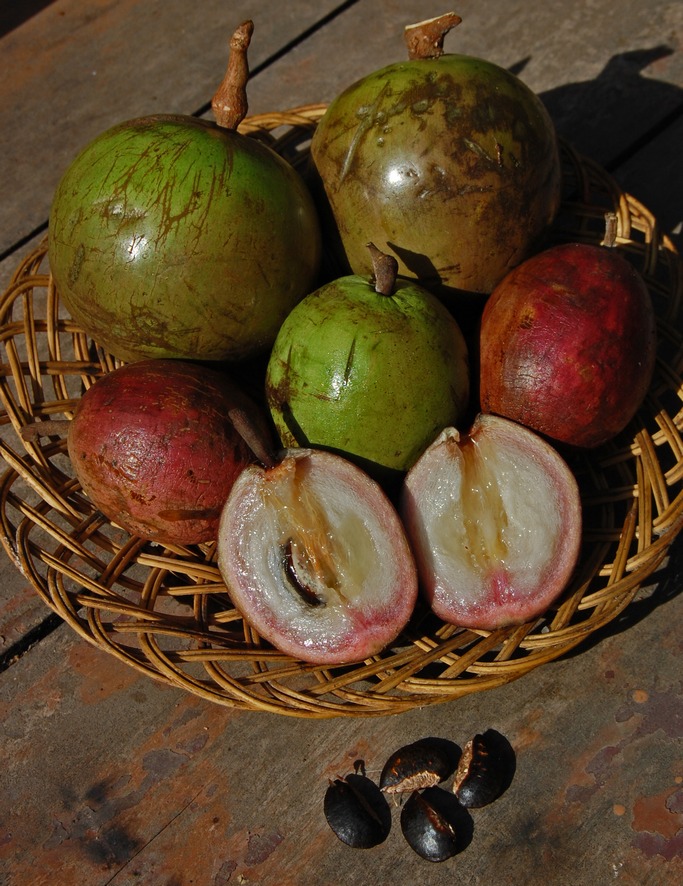
Caimito — Chrysophyllum cainito Linn.– Star Apple

photo link

The star apple tree is erect, growing to about 8-30 m tall, with and a dense, broad crown. The alternate, slightly leathery evergreen leaves are elliptic about 2 to 6 in (5-15 cm) long. The flowers are purplish-white, small and bunched in the axils of leaves. The shiny and purplish or light-green skinned fruit is large and rounded, about 6 to 10 cm in diameter. The flesh is fibrous, sweet, and pleasant tasting.

For its medicinal purposes, the seeds, leaves, bark, fruit are utilize. Below are some of star apple’s medicinal usage:

* Decoction of the bark is use to relieve Dysentery
* The ripe fruit is good for easing up inflammation in laryngitis and pneumonia.
* The slightly unripe fruits are eaten to relieve intestinal problems.
* A decoction of the bark is drunk as a stimulant.
* The bark latex used on abscesses
*Decoction of bark used in the treatment of dysentery, diarrhea, gonorrhea, and hemorrhages.
* The bitter, pulverized seed used as tonic, for fevers and diarrhea.
* As a decoction is gargled to relieve angina.
* A decoction of the leaves, is taken as a pectoral.
* The medicinal tea made out of the leaves is used diabetes and rheumatoid arthritis.

Chico–Achras sapota Linn.–Chiku Tree, Sapodilla

photo link

The chico tree is an upright, very branched, slow growing evergreen tree, growing up to 8 meters tall. The leaves are oblong, are medium green and glossy, 3 to 4-1/2 inches long and 1 to 1-1/2 inches wide. Flowers are small. hairy outside, about 3/8 inch in diameter. They are borne on slender stalks in the axil of the leaves. The fruit is brown, large, fleshy, ellipsoid, 5-10 cm in diameter. It contains black, hard, glossy seeds.For medicinal purposes: Bark, seeds, fruit are utilized.

Medicinal Uses:

* Decoction of the bark or leaves good for relieving diarrhea, dysentery, fever coughs and colds.
* A tea made with the green fruit and the flowers is drunk to relieve pulmonary ailments
* Crushed seeds help expel bladder and kidney stones.
* Seeds when ground with water, acts as diuretic.
* Seed kernel oil used as dressing for falling hair.
* Seed infusion used as an eyewash.
* Decoction of leaves used for treating wounds, hemorrhage, and ulcers.
* A paste made from the seeds is a good antidote for venomous stings and bites
* A tea made with sapodilla and chayote leaves is thought to be good in lowering blood pressure.
* The latex can be used as a filling for tooth cavities.

Curly dock –Rumex crispus –Yellow Dock, Rumex

photo link

Curly dock, sometimes referred as “poor man’s ginseng”, is a small, erect and scarcely branched plant reaching to about 30 to 90 cm in height. It has branched stem, on average growing up to 3 feet high. The leaves are crisped at their edges vary in shapes. The upper leaves are narrowly oblong about 7 to 15cm long while the lower leaves bears elongated shape grows from 2 to 30 cm long. The yellowish roots are 8 to 12 inches long, about 1/2 inch thick.

Medicinal uses:

* Decoction of roots relieved fevers.
* Fresh bruised roots applied externally is effective against skin rushes, eczema, boils, skin cuts, wounds, dermatitis burns, and bleeding hemorrhoids.
* Yellow dock is effective in the treatment of tapeworms and roundworms.
* Used as treatment for liver problems, internal bleedings, gall bladders disorder and arthritis.
* Decoction of roots used in the treatment of psoriasis, jaundice, constipation.
* Alleviate acute inflammation of nasal passages.

Damong Maria — Artemisia vulgaris Linn. — MAIDEN WORT

photo link

Damong Maria is an erect, aromatic, hairy, tall-growing perennial herb growing to 0.5 to 1meter in height. The stems are smooth, angular, leafy, branched dark green hue on the upper surface growing up to 14 cm long. The flowers are in small with numerous flower heads oval heads with either reddish or pale yellow in color. The fruit is minute.

Medicinal Uses: Leaves and Flowers are Utilized

* The juice of the leaves used externally effective against scabies, herpes, eczema, and wounds.

* Decoction of leaves effective against abdominal ailments.

* Decoction of leaves used for intestinal deforming.

* Leaf poultice alleviates headache and skin ailments.

* Decoction of leaves and flowering tops taken daily are considered expectorant.

* Decoction of dried leaves controls asthma and dyspepsia.

* Young leaves used for anorexia.

* Mixture of the aromatic leaves used to induce menstruation.

* Juice of leaves applied to head of young children for the prevention of convulsions. Dandelion–Taraxacum officinale Weber

photo link

Dandelion is a perennial herb. The leaves are 5–25 cm long, simple and smooth, entire or lobed, stalkless, toothed and divided like feathers. The flower heads are yellow to orange about 2–5 cm in diameter and containing many single-seeded fruits called achenes. Medicinal Uses:

* Decoction of roots and leaves used for liver problems.
* Decoction of roots used as a digestive aid, food stimulant and for gallbladder function.
* Decoction of leaves used as a diuretic.
* Tea, made from fresh leaves, flowers and buds effective urinary disorders.
* Decoction of leaves eased abdominal colic pains.
* Leaf poultice for headache and skin ailments.
* Decoction of leaves used to induce menstruation.
* Decoction of root used for eczema, acne, scurvy, swelling and various skin problems.
* Fresh juice is applied externally to fight bacteria and help heal wounds.
* Decoction of roots used for jaundice, cirrhosis, hypoglycemia, dyspepsia
* Juice of the stalk used to remove warts.
Dayap – Citrus aurantifolia (Christm.) Swingle –LIME

photo link

Dayap is a shrub or a small tree about 2-4 meters high with many short stiff sharp spines 1 cm or less long. The evergreen leaves are pleasantly aromatic, alternate, oblong-ovate to elliptic, 4 to 6 centimeters long. Racemes are short, bearing few flowers, white and fragrant. The fruit is round, or slightly elliptical, 3-5 cm in diameter, greenish-yellow and thin-skinned. Seeds small, smooth, plump, egg-shaped, with white embryos (polyembrionic).

Medicinal Uses: Parts used Roots and Leaves

* Decoction of roots effective against dysentery
* Decoction of roots and bark reduces fever.
* Juice effective as mouthwash and gargle for sore throat.
* Fresh juice used to clean wounds.
* Decoction of leaves drunk used for gastrointestinal ailments.
* Decoction of roots used for eczema, fevers, acne, scurvy, kidney problems.
* Pounded leaves as poultice used applied to ulcer wounds.
Dila-dila –Elephantopus scabes –Prickly-leaved Elephant’s Foot

photo link

Prickly-leaved Elephant Foot is an erect, firm, relatively rough hairy aromatic plant growing to about 30 to 60 cm in height. The plant’s stems are forked, and rigid. Leaves are typically rosette and aoblong-ovate in shape about 10-25 cm long. Elephant’s foot has purple flower, 8-10 mm long with each flower head contains about 4 flowers. The flowering heads many-crowded in each cluster. It bear fruits that don’t open (achenes).

Medicinal Uses: Entire plant utilized either fresh or dried

* Pounded fresh leaves as poultice used for the treatment of snakebites, skin swelling, eczema boils.
* Decoction of roots used to eased hemorrhoids, diarrhea, fevers, dysuria, bronchitis.
* Juice out of pulverized leaves applied to scalp helps slow down hair loss.
* Flowers used in treating liver problems, hepatitis, beriberi, scabies chest pains.
* Decoction of roots used to prevent vomiting
* Decoction of leaves boiled is drunk to ease stomach discomfort.
* Decoction of roots and shoots used in postnatal care to restore the womb after delivery

Dita — Alstonia scholaris — White Cheese Wood

photo link

White cheese wood is a medium to large tree, growing to about 40 m high found throughout tropical Eastern Asia. The bark is grayish, has a furrowed trunk and branchlets are copiously lenticellate. Leaves come in whorls of 3-10; Leaves are simple, opposite and ovate, cordate at base and rounded at the apex. Flowers are crowded, numerous 7-10 mm long white, cream or green. Fruits are fleshy follicles, green; 4-5 mm diameter, 20-30 cm long. Seeds are numerous, brown, oblong, about 3-4 mm long and with a tuft of hairs 7-13 mm long.

Medicinal Uses: Parts utilized Root, Latex, Flower and Leaves

Decoction of roots and leaves used for the treatment of fevers, diarrhea, bronchitis and dysuria. Decoction of leaves effective remedy for beriberi. Poultice of young leaves used for ulcers and skin diseases. Decoction of root eases hemorrhoids. Decoction of leaves as wash used in treating eczema. Decoction of the bark used as tonic, ant choleric, febrifuge and vulnerary. Mixture of juice and oil used as drops for earaches. Milky latex used externally used for boils. Flowers used for cough, bronchitis, liver problems, and eye problems.

Don Manuel – Hamelia patens Jacq.–Scarlet Bush

photo link

Scarlet Bush is a large, semi-woody perennial shrub reaching up to 3 meters in height. Its leaves are deeply veined about 20 cm long. Flowers are tubular, reddish-orange in color. The fruit is a small juicy red berry and turns black when ripe.

Medicinal Uses:

* Effective against insect bites.
* Boiled leaves as poultice used for bruises, wounds, sores, burns, sprains and strains.
* Mixture of leaves drunk to relieve fevers and diarrhea.
* Decoction of leaves also used for intestinal parasites, scurvy, scabies, rheumatism and headaches
* Also effective for menstrual disorders.

Duryan–Durio zibethinus Murr.–DURIAN

photo link

In Southeast Asia, considered the “King of Fruits,” Durian tree is usually erect with short, straight peeling truck growing to (27-40 m) in height. The evergreen, alternate leaves are elliptic to oblong, 10 to 20 centimeters long. The fruits are ovoid or ovoid-oblong to nearly round; can grow from 20 to 40 centimeters and weigh from 1 to 8 kilograms when ripe. Seeds about 2-6 cm long with glossy, red-brown color.

Medicinal Uses:

* Decoction of root and leaves effective in easing up fevers.
* Leaves are used in medicinal baths for jaundice.
* Externally, Fruit walls are used for the treatment of skin ailments.
* Decoction of leaves used for swelling.
* Decoction of leaves and roots used for fever, colds, phlegm.
* Leaf juice applied on head for fever.
* Fruit helps lower cholesterol.
* Fruits helps build muscles and a good source of raw fats.
* Fruits ease anxiety, depression, and insomnia
* Fruits used as aphrodisiac.

Monday, February 11, 2013

Meet the Wonder Berries!

To most, the term ‘berry’ refers to any small edible fruit. Berries are brightly colored, sweet or sour but most are juicy. We love them for their culinary purposes but unknown to many, these berries also have medicinal properties and uses. Following is a list of 10 berries that are beneficial and healthful to our bodies that medical experts considered as wonder berries.

Blueberry

photo link

Found throughout North America, blueberries grow abundantly in mountain regions and in forested areas. These flowering plants varies in size from 10 cm tall to 4 m tall. In commercial production, two species stand out namely: “lowbush blueberries” (smaller species) and the “highbush blueberries”(larger species).

Aside from eating the fruit fresh, blueberries are also use in making commercially processed products such as; jams, pies, juice, puree, dried berries and cereals.
Health Benefits of Blueberry:

* It is antioxidant.

* It helps in slowing down aging and is used in treating other age-related diseases.

* It helps prevent urinary tract infections.

* It helps prevent cardiovascular diseases.

* It relieves diarrhea.

* It prevents Ovarian Cancer and Colon Cancer

* It promotes Gastrointestinal Health.

* It may also prevents breast cancer in women.

Indian Gooseberry

photo link

The The Amalaki (Indian Gooseberry) is a deciduous tree varying in size from 8 to 18 m in height. The tree has a gray bark, flowers having greenish yellow color and the fruit is pale yellow in color. The fruit, leaves, root, seed, flowers, and bark are used in various herbal preparations. The fruit containing high tannin content, is commonly used in making shampoos, inks and hair oil.

Health Benefits of Indian Gooseberry:

* It is an excellent source of Vitamin C

* It is antioxidant.

* It is use in treating eye problems including cataracts and eye inflammations.

* It relieves dandruff and controls premature graying of hair.

* It helps the urinary system

* It increases body immunity.

* It prevents heart and nervous disorders.

* It strengthens the lungs.

* It strengthens the eyes.

* It aids in nourishing the brain and enhancing mental functioning.

Sea-buckthorn

photo link

A deciduous plants that reaches 2 to 5 meter in height, Sea-buckthorn are found growing abundantly in countries like: China, India, Nepal, Mongolia, Pakistan France, Great Britain, Germany, Sweden, Norway Finland and Poland. The female plants bear juicy orange berries that is rich in oils. The berries are used to make juice pies, jams, lotions and liquors. Tea and other pharmaceuticals products are produced from the bark and leaves of this plant. Also, sea buckthorn has medical benefits, and is primarily used for treating skin-related diseases.

Other medicinal properties of Sea buckthorn oil includes:

* It is rich in vitamin C, vitamin E and falconoid.

* It has a strong antioxidant activity.

* It promotes tissue regenerations.

* It strengthens the immune system

* It is use in in treating burns and healing wounds.

* It is use in the treatment of gastric ulcers,

* It increases cardiovascular health.

* It protects liver functions.

* It is analgesic.

* It is use to treat foot problems, radiation damage, cervititis and vaginal mucositis.

* It supports prostate health and hormone balance.

Lingonberry

photo link

Lingonberry, also called cowberry, fox berry is native to North America. A perennial flowering plant reaching 4 to 16 inches high, lingonberries bear fruits twice a year, once in early spring and once in summer. The small red berries that has a tart taste, are primarily use in making juice, jellies, pie fillings, sauce, candies, ice cream, syrups, jams wines, and liquor. Lingonberries are rich in helpful nutrients that includes Vitamin C, organic acids, beta carotene, vitamin B, calcium, potassium and phosphorus.

Lingonberry has a long history of medicinal uses such as:

It prevents urinary-tract infections.

It lowers cholesterol levels preventing heart problems.

It relieves indigestion and heartburn.

It prevents bladder and intestinal disorders.

It is use in treating articular pains, rheumatism and tonsillitis.

The leaves are astringent and antiseptic.

It can also reduce symptoms of sunstroke.

Blackberry

photo link

The blackberry is a common perennial plant which is found throughout the Northern Hemisphere particularly in countries like, Britain, Italy, Spain, Turkey and the U.S.A. There are more than a hundred species of blackberry found in woodland, meadows, waste ground etc. Blackberries are popular for their sweet, edible fruits. The fruits are made into jellies, jams, preserves, syrups, other desserts, wine and vinegar. Besides these commercial uses, black berries too have many medicinal uses which are listed below:

Blackberry Herbal Use and Medicinal Properties:

The leaves contain high level of vitamin C that help in promoting a healthy immune system and promotes tissue repair.

The extracts of the bark, leaves and seeds are helpful in treating diabetes.

The leaves are effective for the treatment of diarrhea, dyspepsia. dysentery, hemorrhoids, cystitis, mild sore throat, etc

The bark and the leaves are strongly astringent, cleansing agent, diuretic, tonic and useful in healing wounds.

Chewing fresh leaves can help in strengthening teeth, inflamed gums and cancer sores.

Juice made from berries is use as lotion in the treatment of ringworm.

Chewing fresh blackberry leaves can help cancer sores and inflamed gums.

Blackberry medicinal tea is use in treating Colds & Flu, skin rashes and rheumatism.

Raspberries

photo link

Raspberry is a biennial shrub that is native and grows wild in Europe, North America and Asia. The plant has perennial roots and flowers in May and June. It is a popular fruit used in the production of jam, syrups, pies, fruit salads and preserves. Red raspberries also contain many health-promoting properties.

Medicinal Action and Uses

It is used against fever and flu.

It is useful in treating diarrhea.

It is a good medicine to cure wounds and upper respiratory disorders.

It is antioxidants and has excellent anti-inflammatory activity.

It lessens labor pains and helps to ease childbirth.

Juniper Berry

photo link

The Juniper, is a small evergreen shrub growing to 4 -6 ft. tall, tall that is found abundantly throughout the Northern Hemisphere. A juniper berry is not a true berry but a cone with uncommonly plump and merged scales, which give it a berry-like appearance. The berries size vary from four to twelve millimetres in diameter; though some species bear larger berries. The fruits are harvested in early autumn for culinary and medicinal use. Juniper berries are used for the production of the unique flavoring agent of gin and dry martini.

Medical Uses and Benefits of Juniper Berry

It is use to treat stomach ailments, including stomach ulcers, abnormal bowel syndrome, and colitis

It is use to treat kidney problems.

It also aid in treating colds/flu, asthma, rheumatism, arthritis

It is a natural diuretic.

It has antiseptic properties.

It is anti-inflammatory.

It is use to treat urinary tract infections.

It has natural insulin properties and beneficial in cases of diabetes.

Wolfberry (Goji Berry)

photo link

Wolfberry species are deciduous, rangy perennial plants native to Tibet, China and the Himalayan mountains. The plant grows up to 10-12 ft and bears raisin-sized berries. The wolfberry is also being called the world’s most powerful anti-aging food. The berries contain high level of antioxidants and protein. It is used for its medical properties.

Wolfberry’s Medicinal Properties and Uses:

It is antibacterial.

It also lowers cholesterol.

It is use in treating colds, fever or flu.

It is use in treating cancer.

It is use in treating UTI (urinary track infection)

It is use in treating eye problems.

It is purgative.

It is use in the treatment of some skin problems including skin allergies, skin rushes and psoriasis.

It is use to treat prostate enlargement.

It has also been used in the treatment of cervical cancer.

Acai Berry

photo link

An açaí palm, is one of eight species of palm tree in the genus Euterpe that are native to Central and South America. The tree is now primarily cultivated for its fruit grows mainly in floodplains and swamps. These trees are tall, slender palms growing to 49-99 feet. The fruit, similar in appearance and size to a grape is about 1 inch (25 mm) in diameter.

Medicinal Properties of Acai Berry:

It is use to treat diarrhea

Crushed fruit seeds are used to cure fevers

It helps to regulate the body sugar levels and fight against leukemia.

It aids in relieving toxin in our body.

It is use in the treatment of wounds.

It has high anti-inflammatory activity.

It lowers cholesterol and removes blood clots.

It aids in digestion.

It fight against leukemia.

Chokeberries

photo link

The chokeberries (Aronia) are deciduous shrubs, commonly found in wet woods and swamps. In eastern North America, there are two well-known species, named after their fruit color, red chokeberry and black chokeberry. The plant grows to 2-4 m tall. The fruit is a small pome, bitter and with a very astringent flavor. Chokeberries are considered to be the healthiest fruit in the world and are very rich in anthocyanins, a phenolic phytochemicals. It has also high levels of quinic acid that prevents urinary infection. Juice extracted from the fruit is high in vitamin C and antioxidants. The berries can also be used to make wine, jam, candies, pie, yogurt and flavored milk.

Some Benefits of Chokeberries Includes:

Is a great source of antioxidants

Fights bacteria and viruses, such as colds and the flu

Fights against Cardiovascular Ailments

Prevents Urinary Tract Infections

Aids digestion

Has anti-inflammatory properties

Strengthens memory

Thursday, January 31, 2013

Top 10 Natural Healers

These wonder plants, vegetable and fruits really are a good help in treating many kinds of illnesses.

For thousands of years man has learned to use the medicinal properties of many plants, vegetables and certain fruits in treating different illness that includes simple wounds, insect bites, relieving arthritis pain and even suppressing depression. Below is a list of natural healers that stood the test of times.

Common Dandelion

photo link

Dandelion is a robust perennial herb used as a medicinal herb internally and externally. It contains iron, vitamin A, vitamin C, magnesium, calcium, potassium and sodium. Those suffering from hepatitis can benefit from dandelion tea. Likewise, the juice extracted from the leaves is helpful for all bone disorders since the leaves contains magnesium. The tea made from the buds, flowers and fresh leaves can be very helpful in cases of urinary disorders. It is also useful in the treatment of warts. The milk from the cut end of dandelion is also useful in the treatment of warts.

Garlic

photo link

The Common Garlic is a natural antibiotic that can help prevent wound infections, relax muscle spasm, a diaphoretic, diuretic, stimulant and an expectorant. It is also thought to lessen cholesterol and can control high blood pressure. Garlic syrup is very useful medicine for asthma, coughs, hoarseness and other lungs disorders.

Ginger

photo link

Ginger is a seasoning used for cooking as well as medicine. The Chinese have been using this spice for a thousand years to treat problems that include: diarrhea, abdominal bloating, coughing and rheumatism. Today, ginger root is a good medicine for motion sickness such as: vomiting, sweating and nausea. It has other uses including relieving headaches, arthritis pain, sore throats, fevers from flu and colds and menstrual discomfort.

Lemon

photo link

Lemon is rich in vitamin C that can ease the symptoms of colds and flu. It is also an antiseptic that could prevent sepsis; also anti-scorbutic that could assist in cleansing the body of impurities.

Saint-John’s-Wort

photo link

St John’s wort is widely use as a herbal treatment for major depression. It is also use as astringent, resolvent and expectorant. Saint-John's wort is a good medicine in easing symptoms of diarrhea, dysentery, in suppression of urine and other illness resulting in yellow skin.

Nettle

photo link

Nettle leaves have been used for hundreds of years to treat eczema, allergies, muscles and joints pain, anemia, gout, asthma and constipation. Today, many people use nettle leaves to treat urinary tract infections, tendonitis, for treating sprains and insect bites.

Orange

photo link

Orange is a good source of vitamin C, calcium and other minerals such as: sodium, copper, chlorine, potassium and magnesium. Oranges are helpful in controlling nervous tension, insomnia and hysteria. Rich in Vitamin C, oranges are recommended to prevent common cold, influenza and chronic dyspepsia. It is also valuable in the prevention of bone and teeth related diseases. Also, orange peels are used in the treatment of acne and pimples.

Celery

photo link

Celery is an effective and strong diuretic. The seeds have excellent cleansing properties that is beneficial in treating nervousness, anxiety, insomnia and arthritis. Also, celery is helpful in preventing bronchitis, asthma, and rheumatism. The juice from the seeds has been proven to reduce blood pressure.

Tea Tree

photo link

Tea tree oil can be used as an antiseptic and a disinfectant. It is beneficial in treating skin disorders including insect bites, acne, athlete’s foot, cold sores, diaper rash, dandruff, toenail fungus, scabies, burns and cuts.

Common Hawthorn

photo link

A generally spreading shrub native to Europe, Africa, and Asia, common hawthorn is good for the heart because it helps in increasing blood flow and is also a good antioxidant.